
HIGHLIGHTS
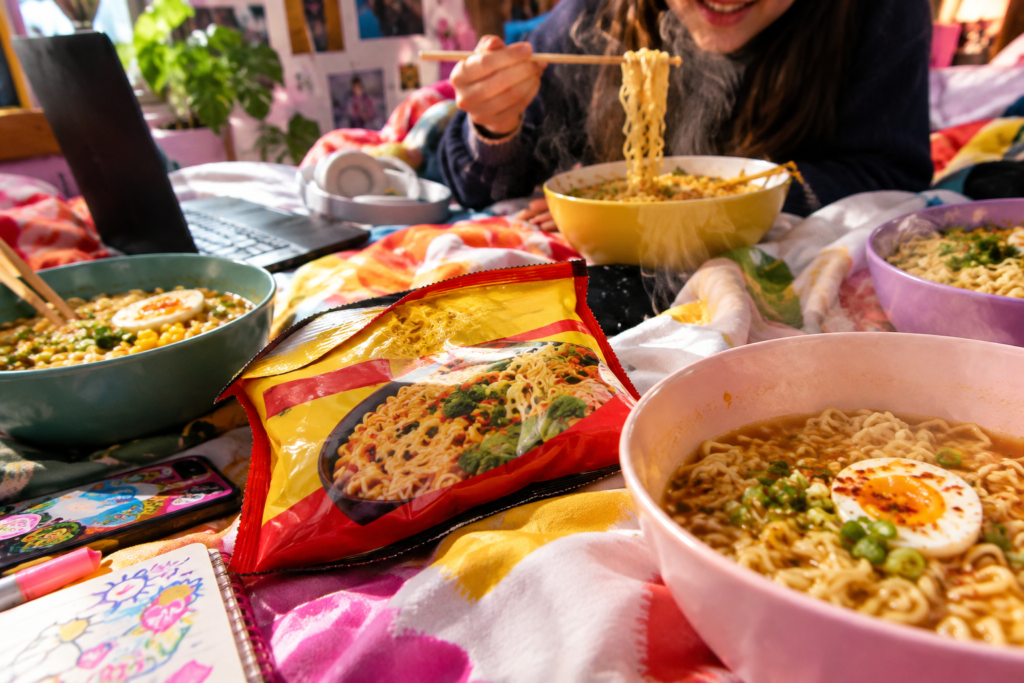
- Maruchan ditches polished brand narratives for authentic, casual “hot mess” messaging that resonates with TikTok’s Gen Z audience
- Imperfect, relatable storytelling drives higher engagement on TikTok Shop by mirroring how real users speak and behave
- Limited-time merchandise tie-ins create urgency and capitalize on cultural moments to boost conversion on social commerce platforms
For decades, brand playbooks demanded polish, perfection, and carefully curated messaging. But Maruchan’s latest TikTok Shop campaign proves that strategy is becoming outdated. By leaning into authentic, unpolished storytelling with the tagline “It’s Okay to Be a Hot Mess Sometimes,” the instant ramen brand is tapping into how Gen Z actually communicates—and how they actually shop. This shift from corporate perfection to relatable realness is reshaping what works on TikTok Shop and beyond, with real implications for how ecommerce brands should approach social commerce in 2026.
Why Authenticity Outperforms Polish on TikTok Shop
Gen Z consumers, who represent a massive share of TikTok’s user base and purchasing power, have become immune to polished advertising. They grew up watching influencers and brands try to look perfect, and they see through it. Maruchan’s “hot mess” campaign speaks directly to how many of these shoppers actually live—juggling school, work, relationships, and life itself. The messaging doesn’t position the product as a solution for perfect people; instead, it celebrates imperfection and normalizes the chaos of everyday life.
This approach taps into a psychological principle that modern marketers increasingly understand: relatability drives conversion better than aspiration alone. When a brand acknowledges that messy situations are part of life and offers a product that fits into that reality (cheap, fast, convenient ramen for a late night or quick meal), it creates an emotional connection that glossy campaigns simply cannot match. TikTok’s algorithm also favors authentic content that drives engagement, meaning casual, real-feeling videos naturally get more reach than highly produced ads.
By embracing the “hot mess” framing, Maruchan is also giving permission. Permission to be imperfect, to make quick decisions, and to choose convenience without guilt. On a platform where users constantly share unfiltered moments, this message feels native rather than imposed, making it far more effective at moving shoppers from scrolling to buying.
Limited-Time Merchandise Creates Urgency and FOMO
The campaign’s limited-time merchandise offering is not accidental—it’s a core ecommerce strategy. By tying the promotion to a specific window, Maruchan creates scarcity and fear of missing out (FOMO), two of the most powerful drivers of impulse purchases on social commerce platforms. Shoppers who see the product in their feed don’t just think about whether they want it; they also think about whether it will still be available later.
This tactic is especially effective on TikTok Shop, where the buying experience is frictionless and impulse-friendly. A user can see the content, tap to shop, and complete a purchase without leaving the app—often in under a minute. By pairing authentic messaging with limited availability, Maruchan removes the time for second-guessing. The combination of “I relate to this brand” and “this is going away soon” creates a powerful conversion multiplier.
Limited-time campaigns also generate repeat traffic and urgency-driven social sharing. Shoppers tag friends, share the product to close friends’ Stories, and create their own content around the campaign. This organic amplification is far cheaper and more credible than paid amplification alone, making the entire strategy more efficient from a content and ecommerce perspective.
Shifting Brand Narratives on Social Commerce Platforms
Maruchan’s campaign reflects a broader shift in how brands approach social commerce. For years, ecommerce platforms encouraged brands to build perfect storefronts, write polished product descriptions, and maintain a single, unified brand voice across all channels. TikTok Shop inverted that model. The platform rewards brands that feel like real users, not corporations—and early winners are those that adapt their creative and messaging to match.
This doesn’t mean brands should abandon strategy or quality control. Instead, it means rethinking what “quality” means on social platforms. A slightly imperfect, highly relatable video often converts better than a professionally produced one. User-generated content (UGC) that looks candid frequently outperforms polished brand content. And messaging that acknowledges real human experience often resonates more powerfully than positioning that promises transformation or perfection.
For ecommerce brands selling everything from food and beauty to fashion and home goods, the lesson is clear: TikTok Shop success requires authenticity in both content and messaging. Brands that can mirror how their target audience actually talks, thinks, and behaves—including the messy parts—are winning the conversion game on this platform.
Key Takeaways for Social Commerce Creators
- Authentic, relatable messaging drives higher engagement and conversion than polished corporate narratives on TikTok Shop
- Limited-time offers and merchandise create scarcity-driven urgency that accelerates impulse purchasing on social commerce
- Brands that embrace the platform’s culture of realness and imperfection see better organic reach and user-generated content amplification
What this means for your business
If you sell products on TikTok Shop or plan to, Maruchan’s approach offers a clear roadmap: audit your current content strategy and ask whether it sounds like your actual customers or like a corporate press release. Your product description, campaign visuals, and brand voice should feel like they’re coming from someone your audience knows and trusts, not from a distant brand. Consider shifting from “here’s the perfect way to use this product” to “here’s how real people use this when life gets messy.” For fashion brands, that might mean showing imperfectly styled outfits; for food, casual kitchen moments; for beauty, before-and-after moments that feel honest rather than extreme. Run A/B tests comparing polished content against raw, relatable UGC, and measure which drives better add-to-cart and conversion rates on your TikTok Shop feed.
On the merchandising side, build limited-time campaigns into your quarterly strategy. Announce a product drop, set a clear end date, and communicate urgency through your organic social channels and paid ads. This creates a time-bound narrative that TikTok’s algorithm favors and that shoppers respond to with faster purchasing decisions. Track which campaigns generate the highest conversion velocity and which messages resonate most with your audience, then use those insights to refine future drops. Getting this right requires both creative instinct and data—working with a team experienced in social commerce strategy and content optimization can accelerate your results significantly.
