
HIGHLIGHTS
- Google AI Overviews and AI Mode are fundamentally changing how users interact with search results and discover information online.
- Brands must adapt their SEO, AEO & GEO strategies to optimize for AI-generated answer formats and new search real estate.
- Organic ranking visibility is shifting as AI Overviews take prominence, requiring content creators to focus on answer-driven, structured information.
Search is evolving faster than ever. Google AI Overviews and AI Mode are reshaping how millions of users discover answers, shop, and make decisions online. These AI-powered features are no longer experimental additions to the search results page—they’re becoming the primary way people interact with Google. For ecommerce brands, service providers, and content creators, this shift demands an immediate rethinking of how you structure, optimize, and present your content to remain visible and competitive in 2026 and beyond.
What AI Overviews and AI Mode Actually Do
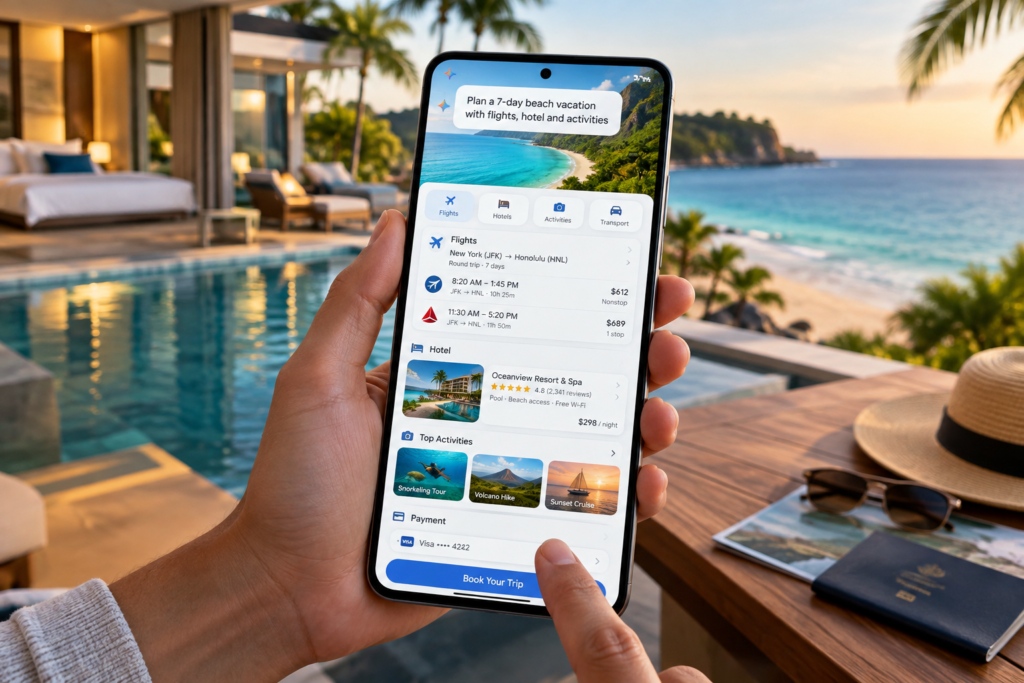
Google AI Overviews generate synthesized answers that pull from multiple sources across the web, presenting users with a comprehensive summary before traditional organic links. AI Mode, Google’s companion feature, allows users to ask follow-up questions and dive deeper into topics in a conversational format. Together, these features are changing the fundamental user journey on Google’s search engine results pages (SERPs).
The key difference from traditional search is that users now see AI-generated summaries at the top of results, often with citations and source attribution. This means the real estate above the fold—historically dominated by paid ads and the first few organic results—now includes a new layer: the AI Overview. Users can get their answer without scrolling, without clicking, and without viewing your page directly.
This represents a fundamental shift in search behavior. Users are spending less time scanning multiple results and more time engaging with conversational AI. The implication is clear: visibility is no longer just about ranking in the top 10—it’s about getting your content selected by Google’s AI system to appear in that synthesized answer block.
How Search Habits Are Shifting
Traditional search behavior followed a predictable pattern: query, scan results, click the most relevant link, and consume content on that page. AI Overviews and AI Mode are disrupting this journey. Users are now asking more complex questions because they know the AI can handle multi-step queries. They’re engaging in longer, more conversational interactions instead of running multiple discrete searches.
The click-through rate to organic results is changing. Because users can get answers directly from the AI Overview, they may not need to visit your website at all. However, this doesn’t mean organic traffic disappears—it means it’s becoming more intent-driven. Users who do click through are often those seeking deeper information, comparisons, reviews, or specific product details that the AI Overview can’t fully satisfy.
For ecommerce specifically, this shift is profound. Shoppers are using AI Mode to ask comparative questions, seek recommendations, and validate purchase decisions within the search interface itself. If your product information isn’t structured and optimized for AI consumption, you’re invisible in these critical decision-making moments. Similarly, service businesses are seeing users build their initial research through conversational AI before ever clicking to a website.
The Implications for Content and Visibility
The rise of AI Overviews means that content alone is no longer sufficient. Google’s AI system is pulling from authoritative sources, high-quality structured data, and pages that directly answer specific questions. This creates a new set of ranking factors beyond traditional SEO signals. Content must be comprehensive, well-organized, and formatted in ways that AI can easily parse and synthesize.
Structured data—schema markup that tells Google what your content is about—is becoming essential, not optional. Product schema, FAQ schema, how-to schema, and other semantic markup now help Google’s AI understand and surface your content in AI Overviews. Pages without proper structure are invisible to these systems, regardless of how well-written they are.
Additionally, the definition of “search visibility” is expanding. You’re no longer just competing for click-throughs on the organic results page; you’re competing to be cited and synthesized in the AI Overview itself. This requires a different content strategy—one focused on clear answers, comprehensive coverage, and direct response to the questions your audience is asking through Google’s conversational AI interface.
Key Takeaways for Marketers
- AI Overviews are reducing traditional click-through rates by providing answers directly on the search results page, making visibility and citation more important than ranking alone.
- Conversational search through AI Mode is driving longer, more complex queries and changing how users evaluate and compare products or services.
- Structured data, clear answer-driven content, and topical authority are now critical ranking factors for inclusion in AI-synthesized results.
What this means for your business
Start by auditing your content for AI-readiness. Are your product pages, blog posts, and category pages structured with schema markup? Are your answers clear, concise, and directly responsive to the questions your target audience asks? Run your core keywords through Google Search and observe what AI Overviews are showing. If your content isn’t appearing there, you need to restructure how you present information. For ecommerce brands, this means optimizing product descriptions with comprehensive details, pricing, availability, and unique value propositions that AI systems can extract. For service businesses and publishers, focus on long-form content that answers complex questions thoroughly while using headers, lists, and structured data to make it digestible for both AI and human readers.
Additionally, consider your paid media strategy in tandem with AI search changes. As organic click-through rates shift, paid search becomes more strategic—but the copy and landing pages must still align with AI-driven search behavior. Your content team, technical SEO team, and paid media team should be working from the same keyword research and user intent insights. Getting your content right for AI Overviews also ensures your organic presence, paid search messaging, and overall user experience all reinforce each other. Working with experts who understand both the technical and creative sides of AEO & GEO, and how those strategies connect to your broader marketing efforts, will help you move quickly and avoid costly missteps.
